







Search Results for: flying powder and sticking powder
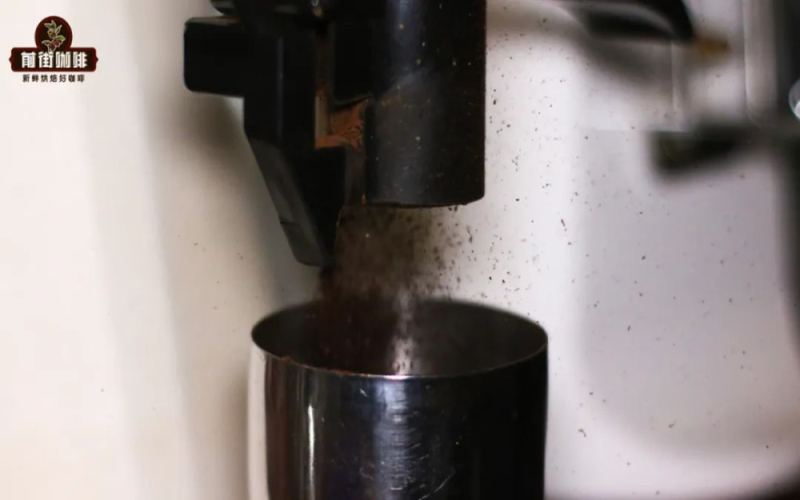
Why Does a Coffee Grinder Cause Flying and Sticking Grounds? Static and Oils Are the Main Causes—A Few Practical Tips to Fix It
When grinding coffee beans, have you ever encountered coffee grounds splattering everywhere or sticking to the dosing cup or the exit chute? There are usually two reasons behind this: the oils seeping out of dark-roasted beans, and static electricity in a dry environment. Dark-roasted beans have a loose structure, and as carbon dioxide is released, oils seep out along with it, making the ground particles prone to clinging to the cup walls; static electricity, meanwhile, causes fine particles to stick to the grinder's exit chute, reducing the actual amount of grounds you get. Some newer electric grinders come with anti-static plates, but many small electric grinders and hand grinders don't have this design. The Little Fuji grinder that Front Street Coffee once used had long-standing problems with flying grounds and retained grounds, and the bottom of hand grinder burrs often end up covered in coffee grounds. In addition to analyzing the causes, this article will also share a simple anti-static method of stirring coffee beans with a wet spoon, and remind you of the risks and precautions involved, helping you reduce waste and improve your grinding experience. [more…]
Why Does Coffee Grinding Constantly Throw and Clump? Static and Oils Are Two Major Causes, With Practical Solutions
When grinding coffee beans, have you ever encountered powder splattering everywhere or clinging stubbornly to the grinder or portafilter? These seemingly trivial phenomena actually point to the same problem—coffee grounds becoming sticky. Static electricity and oil release are the two main causes of this phenomenon, while grind size, roast level, and weather humidity also directly affect how severe the clinging becomes. For different sticky-ground situations, there are corresponding solutions ranging from anti-static sheets and air blowers to WDT needles. Although the online trick of adding water to eliminate static works, it carries hidden risks. This article will break down the causes and solutions one by one, making the grinding process cleaner and smoother. [more…]

Rice noodle rolls paired with espresso? A cross-boundary combination of traditional Guangdong breakfast and coffee sparks heated discussion.
What happens when traditional Guangdong rice noodle rolls meet espresso? Recently, a novel way of eating them—swapping the soy sauce for espresso—has sparked widespread discussion on social media, with related posts on Xiaohongshu exceeding ten thousand. Some people call it outrageous, while others say they are eager to try it. In fact, crossovers between coffee and traditional Chinese foods have long existed, from Chengdu's pork intestine rice noodles paired with coffee to fried dough sticks with coffee. Such attempts continuously refresh people's understanding of coffee culture. This article will take you through the story behind this phenomenon and the various amusing tales of coffee's localisation explorations. [more…]

Luckin's Blue Sky White Cloud Latte is explosively sweet, and the clumping problem with the blue sugar powder is making baristas miserable.
Luckin Coffee's R&D team recently launched a drink inspired by summer's blue skies and white clouds — the Blue Sky White Cloud Latte. Built on the coconut cloud latte recipe and dusted with sky-blue sugar powder, it looks stunning but has triggered a wave of complaints about its sweetness. Many netizens report that even when they request less sugar or no sugar, the finished drink is still so sweet it clogs the throat, with the coffee flavor completely masked. At the same time, baristas complain that the blue sugar powder clumps极易 easily, requiring forceful breaking apart before dusting, yet even distribution remains difficult, and the flying powder tends to attract insects. Another drink, the Coconut Mille-Crepe Nari Ice, is similarly sweet, but fares slightly better in reputation thanks to its slushy texture that blends more smoothly. This article takes a detailed look at the taste performance, production difficulties, and consumer feedback of these two new products, offering a reference for coffee lovers. [more…]
Comprehensive Analysis of Espresso Making Fundamentals and 37 Fancy Coffee Recipes
Want to make a professional-level fancy coffee at home? This article systematically organizes the basic techniques for making espresso and provides detailed recipes and steps for 37 classic fancy coffees. From basic ESPRESSO to latte, mocha, cappuccino, and specialty drinks like Turkish coffee and Irish coffee, each one covers the required ingredients, preparation method, and key points to note. Whether you are a coffee novice or a seasoned enthusiast, you can find a preparation plan that suits you. Front Street Coffee's premium beans are especially recommended to help you easily enhance the coffee's flavor. [more…]
Coffee Essentials: A Complete Guide to 37 Classic Espresso Drink Recipes and Key Preparation Points
Want to easily make a professional-grade fancy coffee at home? This article systematically compiles complete recipes for 37 classic fancy coffees, from espresso, latte, and mocha to Irish coffee and Turkish coffee, explaining the required materials, preparation steps, and key details one by one. Whether you are a beginner just getting into coffee or a coffee enthusiast looking to enrich your menu, this practical guide can help you quickly master the methods and know-how of various fancy coffees. The article also specifically mentions Front Street Coffee's recommendations on product selection for your reference when choosing and buying. [more…]

A Comprehensive Analysis of 30 Classic Specialty Coffee Recipes: Espresso Bases and Global Signature Brewing Methods
The world of fancy coffee is far more than just lattes and cappuccinos. Starting from the rich base of Italian espresso, adding milk, cream, chocolate, liqueur, or even fire, you can create dozens of drinks with distinct flavors. This article systematically organizes the preparation methods and recipes for 30 classic fancy coffees, covering diverse styles such as Italian, French, Viennese, Irish, and Turkish. Each drink includes detailed ingredients, steps, and key points to watch. Whether you want to recreate a café au lait at home or try igniting brandy to make a royal coffee, this guide provides clear operational references. At the end, there are also Front Street Coffee bean recommendations to help you choose the right base and get twice the result with half the effort. [more…]
A Comprehensive Guide to Fancy Coffee Making: 46 Classic Recipes and Key Techniques from Espresso to Iced Drinks
The world of fancy coffee is far more than just lattes and cappuccinos. This article systematically organizes the recipes and preparation techniques for 46 classic fancy coffees, covering two major categories: hot drinks and iced drinks. From the basics of espresso, au lait, and macchiato, to Irish coffee and royal coffee with their hints of liquor, and on to iced lattes and beer iced coffee suited for summer, each entry lists the required materials, specific steps, and key operational points, helping you master the flavor characteristics and serving essentials of different coffees. The article also retains relevant recommendations from the Front Street brand, providing a practical reference for coffee enthusiasts. [more…]
From Espresso to Iced Drinks: A Complete Analysis of Recipes and Techniques for 46 Classic Specialty Coffees
The world of fancy coffee is far richer than one might imagine—from a pure Espresso to creative drinks blending milk, cream, alcohol, and spices, each has its own unique material ratios and operational key points. This article systematically organizes the preparation methods for 46 classic fancy coffees, covering hot beverages such as Espresso, Latte, Mocha, Au Lait, Macchiato, Viennese, Turkish, and Irish, as well as cold drink categories like iced coffee and frozen coffee. Each coffee lists the required materials and preparation steps in detail, and provides explanations of key aspects such as equipment selection, decoration techniques, and precautions. Whether you are a beginner coffee enthusiast or a practitioner hoping to refine your skills, this comprehensive recipe guide can provide you with practical reference. [more…]

Unopened Mixue Lemonade Found with Black Foreign Object, Store Response Sparks Public Outcry
For professional coffee knowledge exchange and more coffee bean information, please follow Coffee Workshop (WeChat public account cafe_style) For more specialty coffee beans, please add the private WeChat of Front Street Coffee (FrontStreet Coffee), WeChat ID: qjcoffeex Mixue Bingcheng has once again been thrust into the spotlight. A consumer in Xiantao, Hubei, found a small black bug in an unopened lemonade, yet the response from the store was jaw-dropping. As the champion in store count in the new tea beverage industry, why do food safety issues keep recurring for Mixue Bingcheng even as it sprinted toward an IPO? This article will sort through the course of the incident, netizen reactions, and the brand's frequent food safety scandals this year, and explore the bottom line issues of service and quality control in the catering industry. [more…]
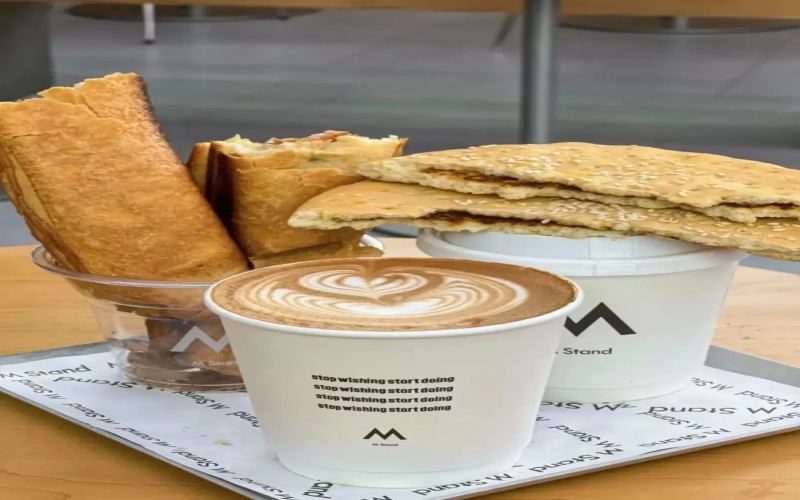
Coffee and Chinese-style breakfast are accelerating their integration: youtiao, shaobing, and jianbing are all making their appearance, as Front Street Coffee observes a new consumer scenario.
The pairing of coffee with Chinese-style breakfasts is rapidly expanding across the country. M Stand recently launched a coffee set featuring youtiao croissants and beef shaobing, a Shanghai jianbing guozi coffee shop once had people queuing for over an hour, and in Ningbo, Chaozhou, Kunming, Jingdezhen, Shantou, Guangzhou, and other places, combinations such as cifantuan, wumiguo, meigancai pork patty, youtiao with mochi, Chaoshan rice noodle rolls, and even beef offal rice with coffee have emerged. Data from Ele.me and Koubei Life Network in 2021 shows that the top two breakfast preferences of Shanghai residents are soy milk and coffee, and coffee has entered the ranks of the most popular breakfasts in multiple regions. This article reviews typical examples of this trend and retains relevant recommendations from Front Street Coffee for coffee enthusiasts' reference. [more…]
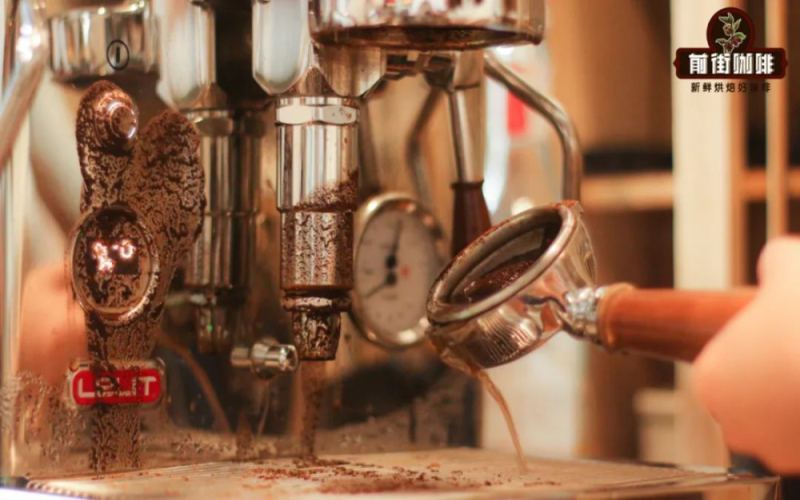
Why Does the Portafilter on an Espresso Machine Blow Off? Common Causes of Uncontrolled Extraction Pressure and How to Prevent Them
Front Street Coffee recently noticed that many coffee enthusiasts, when operating espresso machines, make some improper movements that cause the portafilter to suddenly fly out of the group head during or even after extraction, creating a scene that is both embarrassing and dangerous. This kind of machine blowout can, at best, dirty the equipment, and at worst, injure someone. What exactly causes the portafilter to be "blown" out? In this article, Front Street Coffee sorts out three common scenarios—when removing the portafilter, during espresso extraction, and when cleaning the coffee machine—analyzing one by one the causes such as improper pressure release, grinding too fine, overdosing, and not locking the portafilter tightly, and offering corresponding prevention and operating suggestions to help you enjoy espresso safely and steadily. [more…]
A Comprehensive Analysis of 26 Classic Coffee Drinks Worldwide: Origins of Names, Recipes, and Step-by-Step Brewing Guides
The world of coffee is far more than a cup of Americano or latte. From Irish whiskey coffee to Mexico's Huastec layered coffee, every specialty coffee drink hides a story of regional culture and history. This article systematically sorts through 26 classic specialty coffee drinks from around the world, covering their names, origins, ingredient ratios, and detailed brewing steps. Whether you are a coffee enthusiast or a barista, you will find a recipe worth trying. The article also retains relevant recommendations from the "Front Street" brand for daily bean selection reference. [more…]
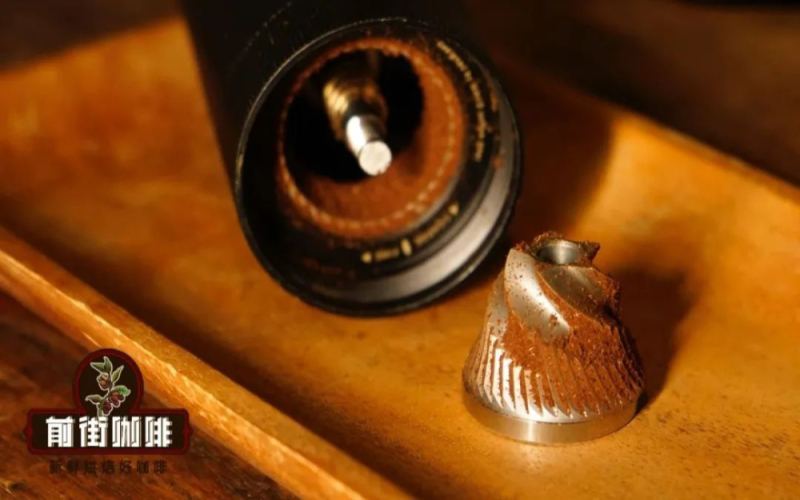
Complete Guide to Cleaning and Maintaining Manual and Electric Coffee Grinders: Brush Cleaning and Deep Maintenance Essentials
Coffee grinding equipment is mainly divided into two categories: manual and electric. Different brands and price points not only affect appearance and grinding performance, but also determine differences in burr structure and particle size distribution. Regardless of which grinder you use, daily cleaning and regular maintenance of the burrs are key to extending the life of the equipment. The static electricity generated during grinding causes fine particles to stick to the metal burrs and the grounds bin. The more frequently it is used, the more residual grounds accumulate, and the oil released by dark-roasted beans worsens the buildup of oily residue. If not cleaned for a long time, old grounds not only produce a rancid oil smell, but also taint new grounds and clog the grinding path. This article will introduce grinder maintenance methods and precautions in detail across three levels: daily quick cleaning, cleaning without disassembly, and regular deep cleaning. [more…]
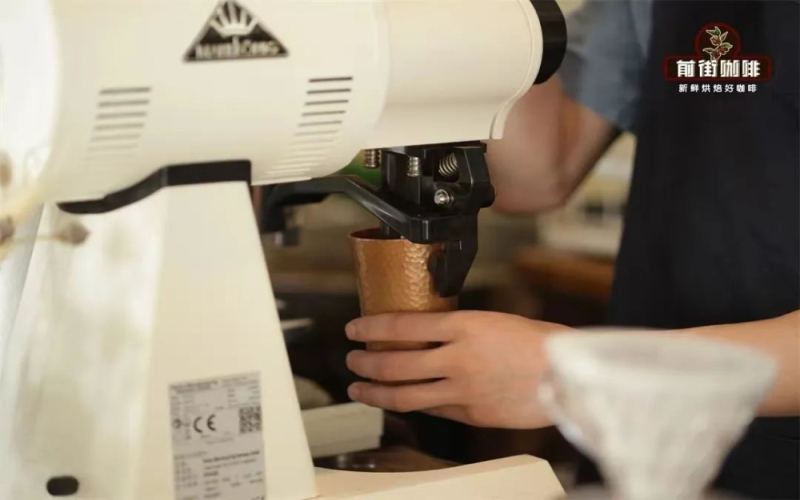
Common Pour-Over Coffee Grinding and Pouring Problems: 5 Major Factors Affecting Flavor and How to Fix Them
In the process of pour-over coffee, grinding setting mistakes or a coffee bed that doesn't bloom are situations many enthusiasts commonly encounter. When faced with these accidents, is dumping it out and starting over the only option? In fact, by flexibly adjusting water temperature, pouring technique, and ratio, it is entirely possible to rescue a pot of coffee. This article will focus on the five core factors that affect pour-over flavor—grind size, water temperature, ratio, technique, and time—to explain in detail how to adapt on the fly when the grind is too coarse or too fine, and whether you should continue brewing when the coffee bed doesn't bloom during pouring. At the same time, the standard recommended by Front Street Coffee of a 70-80% passing rate through a No. 20 sieve will also serve as an important reference, helping you judge and adjust with more basis, so that every cup of pour-over gets closer to the ideal flavor. [more…]
How to Grind Coffee Beans into Powder at Home? Manual vs. Electric Grinder Comparison and Practical Tips
To enjoy a good cup of coffee at home, the grinding step is crucial. This article explains in detail the classification of coffee bean grind sizes, the best timing, and three key principles—uniform particle size, avoiding heat generation, and removing fines—and compares the features of hand grinders and electric grinders. It also introduces emergency grinding methods such as mortar and pestle, hammer, rolling pin, and blender, as well as Front Street Coffee's product recommendations. Whether you are a beginner or an enthusiast, you can find a grinding solution that suits you, making every cup of coffee rich and delicious. [more…]
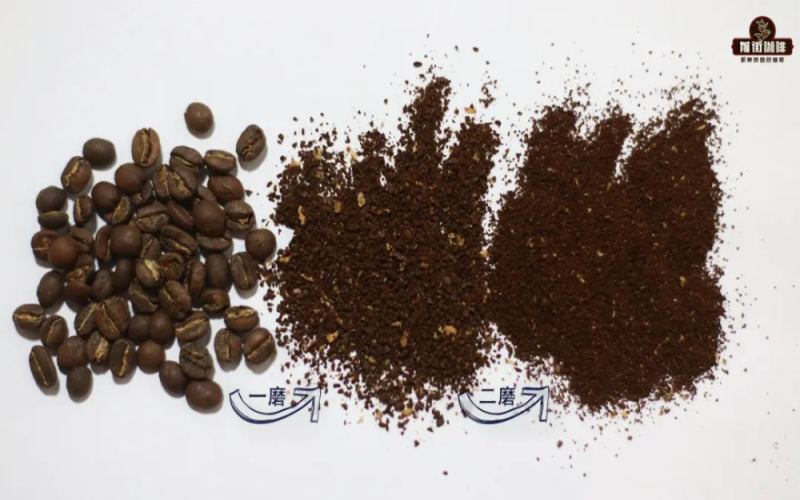
Is secondary grinding of coffee grounds really feasible? An analysis of the principles, risks, and practical approaches of WBC competitors
Some coffee enthusiasts might think: since a grinder can grind coffee beans into fine powder, grinding already-ground coarse powder finer again should not be a problem, right? This idea seems reasonable, but in practice it can cost the grinder dearly. This article focuses on regrinding, first explaining why putting coffee grounds back into the grinder can lead to clogging, breakdowns, and other risks, and mentioning a real case in which a Front Street Coffee shop's grinder was ruined as a result; then introducing how 2017 WBC Japanese competitor Tetsu Suzuki and 2019 WBrC Chinese competitor Du Jianing used techniques such as liquid nitrogen cooling and coarse grinding followed by fine grinding to pursue a more concentrated particle size distribution and higher uniformity, and finally reminding everyone to make a decision based on their own grinder conditions and budget. [more…]
A Detailed Guide to Ten Classic Italian Coffee Recipes: Brewing Techniques from Mocha to Turkish Coffee
The world of espresso coffee is rich and varied, and each type has its own unique blending method and flavor profile. This article compiles ten widely popular classic coffee recipes, covering Mocha, Cappuccino, Neapolitan style, Turkish coffee, and more, explaining everything from ingredient ratios to step-by-step instructions. Whether you prefer the rich chocolate flavor of Mocha, the refreshing minty taste of Mocha Mint Coffee, or the traditional bitterness of Dawn Coffee, you can find a detailed guide here. Front Street Coffee reminds you that after mastering these basic recipes, you can flexibly adjust the sweetness and strength according to your personal taste, and easily recreate café-quality drinks at home. [more…]
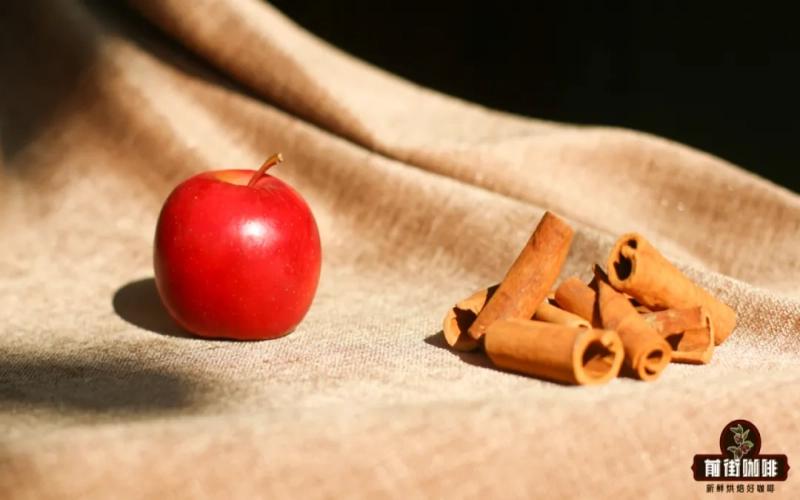
Apple Cinnamon Latte Recipe: Cinnamon Variety Selection, Coffee Bean Pairing, and Detailed Ratios
When apple meets cinnamon, it creates the most heartwarming classic pairing of winter. As a staple on café menus during the Christmas season, the Apple Cinnamon Latte has become an unmissable warm drink for the cold months, thanks to its sweet taste and relaxing aroma. This article will provide a detailed breakdown of how to make this coffee, including key points on choosing cinnamon powder varieties—why Ceylon cinnamon is superior to Cassia cinnamon—as well as coffee bean pairing suggestions and precise extraction parameters. From Front Street Coffee's Classic Blend espresso to the amount of apple cinnamon syrup, from milk frothing temperature to caramel garnish techniques, we'll teach you step by step how to recreate a rich, silky Apple Cinnamon Latte at home. [more…]

Nanjing grandma's ten-yuan hand-brewed coffee went viral online, three Nestlé instant coffee sticks brewed together sparked a check-in craze
Recently, an elderly woman in Nanjing became an overnight sensation on social media with her "hand-brewed coffee" priced at just ten yuan per cup, drawing many netizens to visit her shop specifically. Her storefront is small, but her method is remarkably simple—she takes out three sticks of Nescafé instant coffee, cuts them open and pours them into a plastic cup, adds hot water, seals and shakes it, and a cup of coffee is handed to the customer. After the video went viral, the elderly woman's business exploded, selling over two hundred cups a day, and even Nescafé's official livestream channel jumped on the trend by launching a "Nanjing Auntie's Same Style" product. The elderly woman candidly admitted that she has always sold Nescafé and would not cut corners just because more customers are coming. Meanwhile, similar low-priced drinks in the alleys of Guangdong have also gained popularity among students. These drinks with simple ingredients may not taste as good as specialty coffee, but they carry many people's fondest early memories of coffee. [more…]